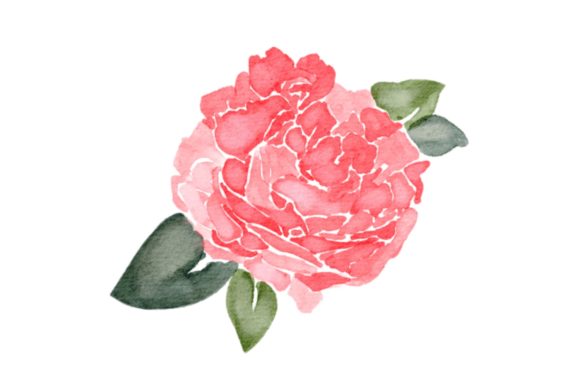
Flower Peonies Watercolor PNG: A Versatile Resource for DIY and Design Projects
Watercolor florals have long been a favorite among designers, crafters, and content creators for their soft, organic appeal. Among the many options available, a Flower Peonies Watercolor PNG stands out as a practical, high-quality choice for projects ranging from wedding invitations to social media graphics. This article explores what this specific type of clipart offers, how it compares with other digital art formats, and the key factors to consider when deciding whether it fits your creative needs.
What Is a Flower Peonies Watercolor PNG?
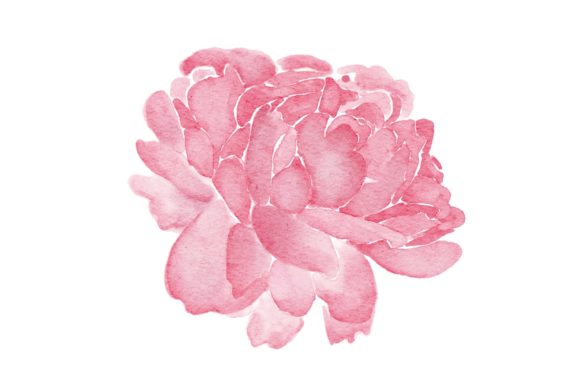
A Flower Peonies Watercolor PNG is a digital image file that depicts peonies rendered in a watercolor painting style, saved in PNG format with a transparent background. The pack typically includes one main file, but that single graphic is crafted at 300 DPI (dots per inch), ensuring sharp print results. The absence of a background makes it easy to layer onto any project without tedious erasing or masking. Additionally, accompanying patterns and frames are provided as JPG files sized at 3000 x 2000 pixels, giving you ready-made backdrops or borders.
What distinguishes this resource is the watercolor aesthetic—soft washes of color, subtle gradients, and the imperfect edges that mimic real brushstrokes. Unlike flat vector illustrations, watercolor clipart carries a tactile, hand-painted feel that adds warmth and authenticity. The peony subject is especially popular because of its lush petals and romantic symbolism, making it a staple for weddings, birthdays, and nature-inspired designs.
Comparing Watercolor PNG with Alternative Clipart Formats
When evaluating a Flower Peonies Watercolor PNG, it helps to understand how it stacks up against other common digital art formats. Each format has strengths and weaknesses depending on your project’s requirements.
Watercolor PNG vs. Vector Clipart (e.g., SVG, EPS)
Vector clipart is resolution-independent—you can scale it to billboard size without losing quality. This makes vectors ideal for large-format printing or situations where you need to resize repeatedly. However, vectors are usually flat in appearance. It is difficult to replicate the layered, bleeding colors of watercolor in a vector file without complex meshes. The Flower Peonies Watercolor PNG cannot be scaled up indefinitely without pixelation, but at 300 DPI and a reasonable starting size, it works perfectly for standard print uses like greeting cards, posters up to A3, and digital screens. If you anticipate needing to enlarge the design significantly for a mural or banner, a vector alternative might be more practical.
Watercolor PNG vs. Photographs
Real photographs of peonies offer extreme detail and realism, but they come with fixed lighting, backgrounds, and often require professional editing to isolate the subject. A Watercolor PNG clipart gives you an artistic interpretation without the constraints of a photo. The painted quality removes the need to match lighting in a composite design. On the flip side, if your project demands photorealism (e.g., a botanical science poster or a catalog image), a photograph would be a better fit. For most creative, emotional, or decorative work, the watercolor style offers more flexibility and a gentler aesthetic.
Watercolor PNG vs. Other Watercolor Clipart Packs
Not all watercolor clipart is created equal. Some packs feature highly detailed, multi-layered images that mimic paper texture; others are more minimal. The Flower Peonies Watercolor PNG distinguishes itself by combining high resolution (300 DPI) with the specific subject of peonies. Many lower-cost packs offer multiple flowers at 72 DPI, suitable only for web use. This pack’s JPG patterns and frames add extra value for those who want coordinated backgrounds. However, if you need a wide variety of different flower types in a single purchase, a larger bundle with mixed botanicals might be more economical. Consider your project’s demand for diversity versus depth of a single flower type.
Strengths of the Flower Peonies Watercolor PNG
- Transparent background: The PNG format ensures the peony can be placed on any background color or texture without a white box around it. This is crucial for DIY wedding invitations, layered card designs, or blog headers where you want a seamless look.
- High print resolution: At 300 DPI, the file is print-ready. Small details like petal edges and color washes will reproduce well on paper, unlike lower-res clipart that may appear pixelated when printed.
- Artistic authenticity: The watercolor effect gives a handmade, elegant feel that elevates digital projects. It is difficult to achieve the same organic gradients with standard digital brushes.
- Versatile for many media: Because it is a static image file, you can use it in almost any software—Photoshop, Canva, Microsoft Word, or even Preview on a Mac. No special plug-ins or vector software required.
- Included patterns and frames: The JPG files provide ready-to-use backdrops and borders that coordinate with the peony, saving time on composition.
Tradeoffs and Limitations to Consider
No single resource is perfect for every scenario. When weighing the Flower Peonies Watercolor PNG, be aware of these factors:
- Single flower file: The pack contains only one main PNG graphic. If your project requires a bouquet or multiple angles of peonies, you may need to purchase additional packs or create compositions by layering the same image multiple times—which can look repetitive.
- Not scalable infinitely: PNG is a raster format. If you try to enlarge the peony beyond its original dimensions, it will blur. For small-scale prints and web use, this is rarely an issue, but large posters or banners may require vector alternatives.
- Limited color customization: Unlike vector files where you can change fill colors with a click, watercolor PNGs contain complex blends of color that are not easily edited. If you need the peony to match a specific Pantone shade, you might have to use image editing tools to adjust hue, which can degrade quality.
- JPG files are not transparent: The patterns and frames come as JPGs, which have a white background. If you plan to overlay them on dark backgrounds, you may need to remove the white using editing software, adding extra steps.
When Is This Peonies Watercolor PNG the Right Choice?
Based on its characteristics, the Flower Peonies Watercolor PNG is particularly well-suited for certain kinds of projects. Consider using it when:
- Designing wedding invitations or save-the-date cards where you want a romantic, floral motif that is easy to place on different paper colors.
- Creating greeting cards for birthdays, anniversaries, or thank-you notes—the peony adds a classic, heartfelt touch.
- Crafting social media quotes or blog post graphics; the transparent background allows you to drop the peony behind text without a box.
- Making DIY posters or wall art for personal use or small print runs at home.
- Building a brand’s visual identity that leans on nature, elegance, and a handcrafted feel.
The included JPG patterns and frames can serve as cohesive backgrounds for these projects, reducing the amount of time spent designing extra elements.
When Might You Need a Different Option?
There are also scenarios where this watercolor PNG may not be ideal. If you need a large set of diverse floral elements (e.g., a full wedding suite with peonies, roses, lavender, and leaves), a single flower file will be limiting. You would be better served by a bundle with multiple watercolor botanical images. Similarly, if you are designing for a corporate presentation that requires precise, clean graphics or scalable infographics, a vector clipart set would be more appropriate for repeated resizing and color consistency. For commercial use where you need to mass-produce items with exact color matching (such as merchandise), the lack of easy color editing in a watercolor PNG could become a bottleneck.
Practical Example: Wedding Invitation vs. Digital Ad
Imagine you are designing a rustic-chic wedding invitation. You want the peony at the top, a script font, and a cream background. Using the Flower Peonies Watercolor PNG, you can open your design software, place the peony on the cream background, adjust its size slightly (keeping resolution in mind), and add text. The transparent background makes the flower look naturally painted onto the card. The process is straightforward and produces a beautiful result.
Now, suppose you are preparing a digital ad for Facebook that will display at 1200x628 pixels. The same PNG works perfectly here, as the resolution is more than sufficient for web use. But if that same ad needs to be turned into a billboard (10 ft wide), the PNG would need to be scaled up by 8x, likely causing blurriness. In that case, you would need a vector or a significantly larger raster file.
Key Decision Factors When Choosing Clipart
To make an informed decision, evaluate these aspects before purchasing any watercolor clipart:
- Resolution and DPI – If your primary output is print, look for 300 DPI or higher. For web only, 72 DPI may suffice, but higher DPI gives you flexibility.
- Background – Transparent PNGs offer the most flexibility, but JPGs with white backgrounds can work if you plan to keep a white background.
- Subject variety – Decide whether you need a single floral type or multiple ones. A targeted pack like the peonies PNG is great if that flower is central to your theme.
- Editability – If you anticipate changing colors frequently, choose vector or editable layered files. If not, watercolor PNGs are fine.
- Compatibility – Ensure the file type works with your software. PNG and JPG are universally accepted.
- Extra elements – Patterns and frames included in the pack can save design time and ensure visual harmony.
Getting the Most from Your Floral Watercolor Resource
Once you have the Flower Peonies Watercolor PNG, think about ways to maximize its use. Because it is a single image, you can mirror it, rotate it, scale it (within reason), and layer it with other elements to create rich compositions. Combine it with the included JPG patterns—use the pattern as a full background and position the peony in one corner. Overlap with a frame to create a vignette effect. For digital use, experiment with blending modes (multiply, screen) in software like Photoshop to combine the peony with textured backgrounds. For print, consider printing on matte paper to preserve the watercolor look.
If you find yourself needing a different angle or color variant, you can adjust the hue or saturation in an image editor. The 300 DPI file retains enough detail that moderate color shifts won’t ruin the quality. However, for major color changes, it is better to start with a black-and-white line art vector and apply watercolor textures separately.
Final Thoughts on Flower Peonies Watercolor PNG
The Flower Peonies Watercolor PNG pack offers a focused, high-quality solution for DIY designers and professionals alike. Its strengths lie in its print-ready resolution, transparent background, and authentic watercolor aesthetic—perfect for wedding invites, greeting cards, and blog art. The tradeoffs are limited to a single main graphic and the raster format’s scalability constraints. By comparing it with vector alternatives and considering your specific project scale, color needs, and variety requirements, you can decide if this resource aligns with your creative vision. For many floral-themed projects, this watercolor peony will deliver a charming, handcrafted touch that elevates your work without overwhelming your workflow.