Chinook Salmon Oncorhynchus Tshawytscha: Identifying the King of Pacific Salmon and Exploring Its Alternatives
When you encounter the name Chinook Salmon Oncorhynchus Tshawytscha, you are looking at the largest and perhaps most revered member of the Pacific salmon family. Known regionally as king salmon, Quinnat salmon, Tyee (especially in British Columbia when it exceeds 30 pounds), or colloquially as the chrome hog, this fish holds a singular place in both ecological systems and human culture. But for anyone researching this species—whether for culinary choices, fishing pursuits, or creative projects—understanding what truly makes it distinct, and how it stacks up against other options, is essential.
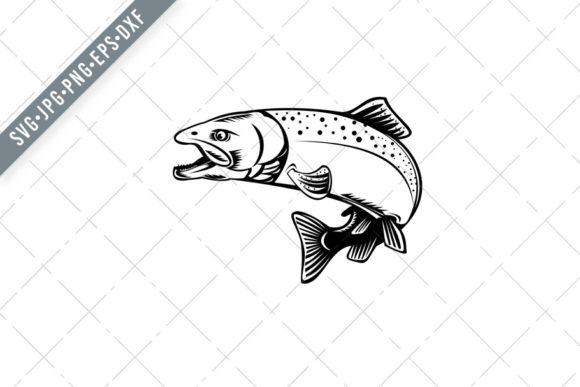
This article provides a grounded comparison of Chinook Salmon Oncorhynchus Tshawytscha with similar species and contexts, explores its strengths and tradeoffs, and helps you decide when it is the right fit—and when you may want to consider something else. We also touch on the retro woodcut style illustration of a jumping Chinook salmon, a versatile design asset for a wide range of print and digital projects.
What Makes Chinook Salmon Oncorhynchus Tshawytscha Distinct?
The Chinook salmon is not just another fish in the sea. As the largest of the Pacific salmon, it can reach over 100 pounds, though typical adult sizes range from 10 to 50 pounds. Its lifecycle is complex: it begins in freshwater streams, migrates to the ocean for feeding, and returns to its natal rivers to spawn and die. This anadromous journey requires remarkable physiological adaptation, and it is this very journey that shapes the fish's flavor, texture, and fat content.
One of the most distinctive features of Chinook Salmon Oncorhynchus Tshawytscha is its high oil content. This translates to a rich, buttery texture and a flavor that is fuller and more luxurious than that of other salmon species. For chefs and home cooks alike, this makes it a prized ingredient. In the Pacific Northwest, where it is native, the fish is culturally and economically significant, supporting both commercial fisheries and recreational angling.
For those interested in visual identification, the Chinook is distinguished by its black mouth and gums (hence one of its nicknames), small black spots on its back and tail, and a generally robust, deep-bodied form. The retro woodcut style illustration captures this iconic silhouette in a striking black-and-white format, perfect for projects that require a bold, vintage aesthetic.
Comparing Chinook Salmon with Other Salmon Species
When evaluating Chinook Salmon Oncorhynchus Tshawytscha, it helps to compare it directly with the other four Pacific salmon species: sockeye, coho, pink, and chum. Each has its own profile, and the differences matter depending on your use case.
Chinook vs. Sockeye Salmon
Sockeye is known for its deep red flesh and intense, almost gamey flavor. It has a firmer texture and lower fat content than Chinook. If you prefer a milder, buttery taste and a softer flake, Chinook is the better choice. Sockeye, however, holds up well to grilling and has a more pronounced "salmon" flavor that some enthusiasts prefer. For fattier fish dishes, dips, or raw preparations like sushi, the higher oil content of Chinook Salmon Oncorhynchus Tshawytscha often gives it an edge. For those on a budget, sockeye is usually more affordable than wild Chinook, making it a practical alternative.
Chinook vs. Coho Salmon
Coho salmon offers a milder flavor than sockeye but is still less rich than Chinook. It has a medium fat content and a more delicate texture. Coho is often considered a middle-ground option: not as lean as pink, not as fatty as Chinook. For people who find Chinook too rich or who want a fish that is easier to handle on the grill without falling apart, Coho can be a reliable alternative. However, for occasions where richness and tenderness are paramount—such as a holiday centerpiece or a special occasion meal—Chinook Salmon Oncorhynchus Tshawytscha remains the premium choice.
Chinook vs. Pink and Chum Salmon
Pink and chum salmon are smaller, leaner, and more mild in flavor. They are often used in canned products or as lower-cost options. For recipes where the fish is not the star—such as patties, soups, or casseroles—these species work perfectly well. But if you are looking for a stand-alone fillet with a memorable taste and texture, Chinook Salmon Oncorhynchus Tshawytscha is clearly the superior option. The tradeoff is price: Chinook commands a significantly higher market price, and its availability is more limited.
Strengths, Tradeoffs, and Best-Fit Situations
Let us consider the practical tradeoffs involved in choosing Chinook Salmon Oncorhynchus Tshawytscha for different purposes.
Culinary Use
- Strengths: Exceptional flavor, high fat content for moist cooking, versatility in preparations (grilled, baked, poached, smoked, raw).
- Tradeoffs: High cost per pound, less firm texture than sockeye, can be overpoweringly rich for some palates.
- Best-fit: Fine dining, sushi-grade dishes, special occasions, smoking (where fat content yields a superior product).
- When to consider alternatives: If you need a firmer fish for a salad or a leaner option for a diet, or if budget constraints are a primary concern.
Recreational Fishing
- Strengths: The thrill of catching the largest salmon species, desirable for sport and trophy fishing, excellent table fare.
- Tradeoffs: Chinook populations in some regions are threatened or endangered, leading to strict regulations and limited seasons. They are also more challenging to catch due to their size and depth preferences.
- Best-fit: Anglers with experience in deep-water trolling or drift fishing, and those who prioritize the trophy experience over consistent action.
- When to consider alternatives: If you are a beginner or want a more accessible fishery, pink or coho salmon may be more forgiving. If conservation is a priority, you may choose to target hatchery-reared Chinook or other species.
Artistic and Design Projects
The retro woodcut style illustration of Chinook Salmon Oncorhynchus Tshawytscha is a versatile asset. For graphic designers, crafters, and small business owners, having a high-quality SVG, PNG, DXF, EPS, or JPG file opens up many possibilities. The black-and-white woodcut aesthetic lends itself to vintage-themed branding, apparel decoration, wall art, greeting cards, party invitations, scrapbooking, and even stencil projects for furniture or murals.
The included vector file works with popular cutting machines like Silhouette Cameo and Cricut, making it easy to produce custom T-shirts, mugs, and vinyl decals. The PNG at 300 dpi ensures sharp prints for digital or physical use. Whether you are designing for a salmon festival, a fishing lodge, or a natural history project, this style offers a timeless look that blends the organic forms of the fish with a handmade illustrative feel.
One tradeoff to note: the woodcut style is bold and graphic, which may not suit every brand or aesthetic. If you need a photorealistic image or a more modern, minimalist design, this asset will not be the right fit. However, for projects that require a classic, handcrafted appearance, it is an excellent resource.
When Chinook Salmon Oncorhynchus Tshawytscha May Not Be the Right Choice
No single species is perfect for every situation. Consider these scenarios where other options may serve you better:
- Budget-conscious meal planning: Wild Chinook can cost $25–$40 per pound or more. Farmed Atlantic salmon, while not the same species, offers lower cost and consistent availability. Canned pink salmon is another affordable option.
- Eco-conscious consumers: Some Chinook stocks, particularly in the Pacific Northwest, are listed as endangered or threatened. If sustainability is a top concern, verifying the source (e.g., Alaskan wild or hatchery-enhanced stocks) is critical. Alternatives like sustainably farmed coho or certified sockeye may have a smaller environmental impact.
- People who dislike strong fish flavor: The rich, oily nature of Chinook is not for everyone. Milder species like coho or trout may be more appealing to those new to salmon.
- Recipes requiring firm flesh: If you need fish that holds its shape in a chowder or salad without flaking apart, sockeye or even halibut may be better choices.
Decision Factors for Choosing Chinook Salmon Oncorhynchus Tshawytscha
To help you decide, here are the key factors to weigh:
- Purpose: Are you cooking, fishing, or designing? Each domain has its own criteria.
- Budget: How much are you willing to spend? Chinook is a premium product.
- Flavor and texture preference: Buttery and soft (Chinook) vs. firm and intense (sockeye) vs. mild and delicate (coho).
- Availability: Chinook is seasonal and regional. If you live outside the Pacific Northwest, fresh wild Chinook may be hard to find, though frozen or smoked versions are common.
- Ethical and environmental considerations: Research the origin and catch method. Line-caught or troll-caught Chinook from well-managed fisheries is generally more sustainable than some net-caught options.
- Ease of use in projects: For design work, the availability of vector and high-resolution raster files makes the woodcut illustration easy to scale and adapt. The multiple file formats (SVG, PNG, DXF, EPS, JPG) in the download set ensure compatibility with most software and machines.
Practical Examples of When Each Option Shines
- Example 1: A wedding reception menu features a grilled salmon entrée. The host wants a rich, memorable dish. Here, Chinook Salmon Oncorhynchus Tshawytscha is the obvious choice due to its premium reputation and flavor depth.
- Example 2: A school fundraiser sells salmon fillets. The budget is tight, and they need a high-volume product. Coho or sockeye from a wholesale supplier makes more economic sense than Chinook.
- Example 3: A crafter wants to make custom fishing-themed gift tags using a cutting machine. The SVG vector file of the Chinook woodcut illustration can be scaled down to fit without losing quality, making it ideal for this purpose.
- Example 4: A fly fisherman is booking a guided trip in Oregon. If they want a trophy catch, they will target Chinook (Tyee). If they want a full day of action, they might opt for a river with abundant summer steelhead or coho instead.
Final Considerations
Chinook Salmon Oncorhynchus Tshawytscha is a species that commands attention. Its size, flavor, and cultural importance set it apart from other salmon, and the retro woodcut illustration offers a distinctive visual option for creative projects. However, every choice involves tradeoffs. By understanding how Chinook compares with alternatives—whether for cooking, fishing, or design—you can make an informed decision that aligns with your priorities, budget, and goals. The key is to match the characteristics of the species or the asset to the specific demands of your situation, rather than assuming one size fits all.
Whether you are selecting seafood for dinner or an image for your next project, taking the time to evaluate your needs against what each option provides will lead to better outcomes. Chinook Salmon Oncorhynchus Tshawytscha is a powerful option in its own right, but it is most effective when you choose it for the right reasons.