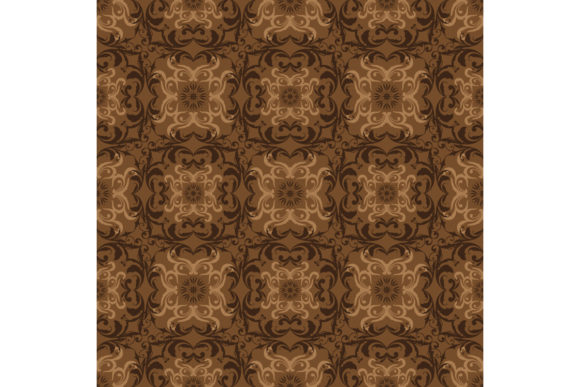
Jogja Batik Design: Vintage Flower Patterns in Simple Dark Brown – A Practical Guide
When exploring traditional Indonesian textiles, few names carry the weight of Jogja batik design. Originating from Yogyakarta, this style is renowned for its philosophical motifs, earthy color palette, and precise hand-drawn craftsmanship. Among the many variations, collections featuring vintage flower patterns executed in a simple dark brown color design have gained particular attention. For adults aged 20–50 who are comparing batik options—whether for personal use, gifts, or wardrobe expansion—understanding what makes this specific sub-style distinct can help you decide if it aligns with your aesthetic and practical needs.
Understanding Jogja Batik Design and Its Distinctive Elements
Jogja batik design is not a single look but a broad tradition rooted in courtly culture and refined over centuries. What sets it apart from other Indonesian batik styles is its restrained use of color and its symbolic motifs. Traditional Jogja batik often employs deep indigo, sogan (a natural brown from tree bark), and white or cream backgrounds. The motifs—such as kawung, parang, and semen—are typically geometric or floral, each carrying layered meanings related to power, harmony, or protection.
Within this tradition, the vintage flower pattern collection represents a softer, more romantic branch. Instead of rigid geometry, these designs feature stylized blooms, tendrils, and leaves reminiscent of 19th-century European botanical illustrations, yet executed with Javanese batik techniques. The choice of a simple dark brown color as the primary dye ties the collection back to Jogja’s classic sogan palette, giving the pieces a sense of history and grounded elegance.
The Role of Vintage Flower Motifs
Flower motifs in Jogja batik design are not merely decorative. They often symbolize fleeting beauty, growth, or renewal—themes that resonate across generations. In vintage interpretations, the flowers are drawn with fine lines and detailed shading, mimicking the hand-drawn quality of older batik pieces. This makes them suitable for those who appreciate artistic detail without the overwhelming formality of traditional full batik patterns. The vintage aesthetic also appeals to individuals looking for designs that feel both timeless and subtly contemporary.
The Significance of Simple Dark Brown Color
Dark brown, or sogan, is a hallmark of Jogja batik. Unlike the bright reds of Solo batik or the vibrant blues of Pekalongan, Jogja’s brown creates a subdued, warm appearance. In this collection, the simple dark brown color design ensures that the patterns remain visible but not loud. This neutrality makes the batik easier to integrate into a modern wardrobe—pairing well with neutrals like white, beige, or black, and even with denim. For professionals or students who want to incorporate batik into daily wear, this color choice reduces the risk of looking overly formal or traditional.
How Jogja Batik Design Compares with Similar Options
When evaluating Jogja batik design against other regional batik styles, it helps to consider color, pattern density, and intended use. While a full comparison could occupy volumes, focusing on a few key dimensions clarifies when this style fits best and when an alternative might serve you better.
Color Palette and Symbolism
Many batik traditions from coastal Java, such as those from Pekalongan or Cirebon, use bright, contrasting colors like magenta, turquoise, and gold. These are exuberant and often influenced by Chinese or European trade. In contrast, Jogja batik design—especially with dark brown—stays closer to the earth. The symbolism shifts from celebration to contemplation. If you are looking for a piece that projects authority, tradition, or quiet confidence, the Jogja palette supports that. If you need a more festive or eye-catching fabric, you might consider a style with higher contrast or brighter hues.
Pattern Complexity and Wearability
Vintage flower patterns in Jogja batik tend to have moderate to high detail but with a balanced distribution across the cloth. This is different from full-field patterns (like some parang variations) where motifs cover every inch, creating a dense look. The vintage flowers often leave more negative space, making the fabric lighter both visually and physically. For those who prefer subtlety, this is a strength. For someone seeking a statement piece with maximalist impact, a more densely patterned alternative might be preferable.
Strengths and Tradeoffs of Choosing This Design Direction
Every design choice carries tradeoffs. Understanding them helps you align your purchase with your priorities.
Versatility and Styling
The simple dark brown color and vintage floral motifs make this collection exceptionally versatile. A Jogja batik design shirt can easily transition from a casual Friday at the office to a dinner out. The brown base works across seasons—it does not clash with autumn tones or spring pastels. Women can wear it as a kebaya or as a modern blouse; men often use it as a short-sleeve shirt or a long-sleeve formal piece. However, the very neutrality that makes it versatile can be a limitation if you want your clothing to stand out as distinctly ethnic or ceremonial. In highly traditional settings, such as a royal wedding or official cultural ceremony, a more iconic Jogja pattern (like parang or kawung in full color) might be expected.
Authenticity vs. Modern Adaptation
Many collections labeled as “vintage flower” Jogja batik are adaptations that blend traditional dyeing with contemporary motifs. For purists, this may feel like a departure from authentic Jogja batik, which strictly follows classical patterns. Yet for many modern consumers, these adaptations preserve the soul of the craft while making it accessible. If your priority is owning a piece that is historically accurate and made using only traditional stamps and wax, you may need to seek out batik from established workshops that follow the classical repertoire. If your goal is to own a handcrafted, high-quality textile that fits your daily life, the vintage flower collection offers a compelling compromise.
When Jogja Batik Design with Vintage Flowers Is the Right Fit
Certain scenarios and preferences make this collection an excellent choice.
Occasions and Wardrobe Integration
This design works well for semi-formal events, family gatherings, creative workplaces, and cultural appreciation days at school or office. Because the dark brown is understated, you can wear it without worrying about matching accessories. It also photographs well without overwhelming the viewer. For people who travel and want a batik that looks appropriate in multiple contexts (from museum visits to dinner), the vintage flower pattern is a reliable option.
Collector and Connoisseur Appeal
Batik enthusiasts who already own classic pieces might find the vintage flower collection a refreshing expansion. It allows them to enjoy the craft in a less rigid form. The fine details and natural dyes appeal to those who value artisanal quality over mass-produced prints. Moreover, because sogan color develops a slight patina over time, the fabric ages gracefully, adding value for collectors.
When Alternative Batik Approaches Might Serve You Better
Not every need is met by this particular combination of style and color. Here are situations where looking elsewhere is wise.
If You Prefer Vibrant Colors or Contemporary Motifs
If your wardrobe leans toward bright prints or you need a batik for a festive celebration like a wedding reception or a national event, the subdued brown may feel too muted. In such cases, a batik from a tradition that uses brighter dyes—or a modern designer interpretation with abstract forms—could be more satisfying.
If You Need Highly Detailed Patterns for Ceremonial Use
Certain Javanese ceremonies require specific motif combinations that carry ritual meaning. The vintage flower collection, while beautiful, does not typically reproduce these sacred patterns. If you are dressing for a formal adat (customary) event, consult with a local batik expert to ensure your design aligns with protocol. A traditional Jogja batik with parang or kawung motifs in full sogan would be more appropriate.
Practical Decision Factors for Your Batik Purchase
Beyond aesthetic preference, consider these practical aspects when evaluating a Jogja batik design piece from a vintage flower collection.
Evaluating Craftsmanship and Material
Look for hand-written (batik tulis) or high-quality hand-stamped (batik cap) pieces. The price difference is significant: tulis takes weeks and costs more, but the lines are fluid and unique. Cap pieces offer more consistency and lower cost. Both can be excellent. Check the fabric—cotton is standard, but some use rayon or silk. For daily wear, cotton is breathable and easy to care for. For a special piece, silk or rayon gives a luxurious drape. The dark brown color should be even and rich, without patchiness unless intentional.
Considering Custom vs. Ready-to-Wear
Many reputable batik shops in Yogyakarta offer customization. You can select the base cloth and pattern placement. This is especially useful if you want a specific cut (like a long dress or a modern jacket). Ready-to-wear is convenient and often more affordable. If you are shopping online, request detailed photos of the pattern and color, as monitors can alter perception.
Final Thoughts on Choosing Jogja Batik Design
A Jogja batik design featuring vintage flower patterns in simple dark brown sits at an interesting intersection: it honors tradition while embracing a softer, more wearable aesthetic. It is not the loudest option on the market, nor the most orthodox. But for the adult who values subtlety, authenticity, and versatility, it often proves to be a lasting addition to a wardrobe. Whether you are comparing this style with other regional batiks or simply deciding if it fits your personal taste, let your intended use guide you. For daily elegance with a cultural touch, this collection is worth considering. When the occasion demands more ceremony or more vibrancy, look further. The best choice is the one that balances beauty, function, and meaning for your own life.